How Night Vision Security Cameras Work in Low Light
Night vision security cameras are designed to capture usable images in conditions where visible light is limited or absent. Understanding the underlying technologies—infrared LEDs, starlight sensors, and white-light illumination—helps in evaluating how a camera performs in low light and in selecting appropriate equipment for specific dark environments. Each approach has distinct operating principles and contextual trade-offs that influence image quality, power consumption, and visibility.
This article explains the core mechanisms behind these technologies, the factors that affect night vision performance, and the considerations involved in matching a camera to a particular low-light setting. The focus is on methodology and transparency rather than on specific outcomes, as actual performance depends on multiple external variables including ambient light levels, scene reflectivity, and installation conditions.
By examining how infrared LEDs, starlight sensors, and white-light illumination function, readers can better interpret manufacturer specifications and make informed comparisons. The information is presented in a neutral, factual manner to support a clear understanding of night vision capabilities in dark areas.
Infrared LEDs: Illuminating the Invisible
Infrared LEDs emit light in the near-infrared spectrum, typically at wavelengths around 850 nanometers or 940 nanometers, which is invisible to the human eye but detectable by most image sensors. When ambient light is insufficient, the camera activates these LEDs to illuminate the scene, and the sensor captures the reflected infrared light to produce a monochrome image. The effective range of this illumination depends on the LED power, lens aperture, and the reflectivity of objects in the scene.
The choice between 850 nm and 940 nm LEDs involves a trade-off between range and visibility. The 850 nm variant generally provides greater illumination range and sensitivity, but it may produce a faint red glow that can be noticeable. The 940 nm variant is nearly invisible to the human eye, making it suitable for discreet installations, though it typically offers a shorter effective range and may require more powerful LEDs to achieve comparable illumination.
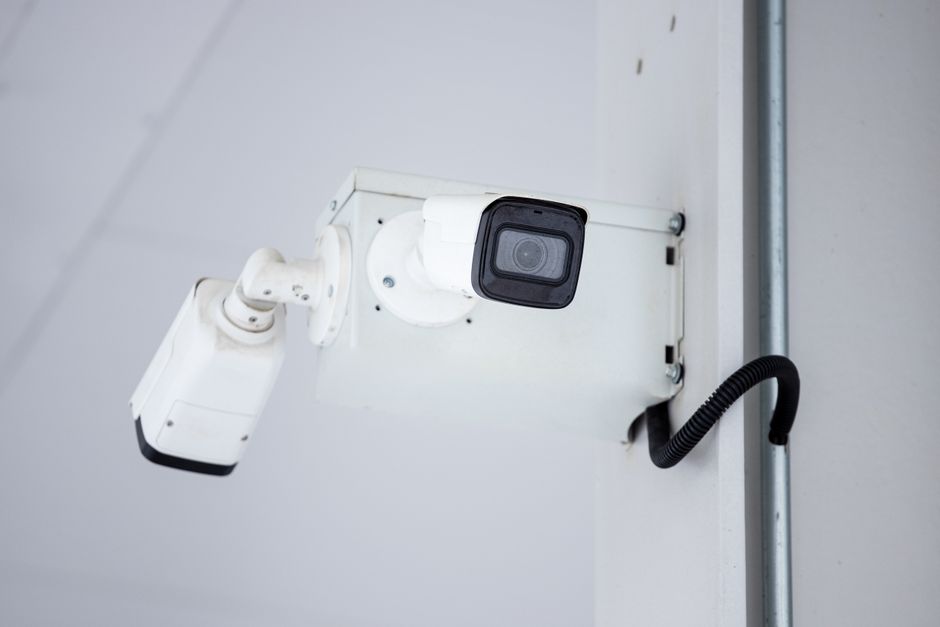
Infrared LEDs are commonly arranged in a ring around the camera lens, and their intensity may be automatically adjusted based on the scene’s light level to avoid overexposure or underexposure. Some cameras employ smart IR technology that reduces LED power when objects are close to prevent washout, while others use variable focus lenses to concentrate the beam. The performance of infrared illumination is also influenced by environmental factors such as rain, fog, or dust, which can scatter the infrared light and reduce effective range.
- Wavelength selection affects range and visibility (850 nm vs. 940 nm).
- LED power and lens aperture determine effective illumination distance.
- Scene reflectivity and environmental conditions influence image clarity.
- Smart IR features can help manage close-range overexposure.
When evaluating infrared LEDs, it is important to consider the intended application and the level of discretion required. For general surveillance in dark areas, 850 nm LEDs often provide a balance of performance and cost, while 940 nm LEDs may be preferred where visible light emission is undesirable. The actual usable range can vary significantly from manufacturer claims, so independent testing or review of specifications in context is advisable.
Starlight Sensors: Leveraging Minimal Ambient Light
Starlight sensors are image sensors designed to capture color images in very low light conditions, often relying on the minimal ambient light present in a scene—such as starlight, moonlight, or distant street lighting—without the need for active infrared illumination. These sensors typically feature larger pixel sizes, backside illumination, and advanced noise reduction algorithms to maximize sensitivity. The term “starlight” is not standardized, and performance can vary widely among models.
The key advantage of starlight sensors is the ability to produce color images in low light, which can aid in identifying details such as clothing color or vehicle paint that might be lost in monochrome infrared footage. However, color accuracy and image clarity depend on the amount of ambient light available; in near-total darkness, a starlight sensor may still require supplementary illumination or may switch to infrared mode. Some cameras combine starlight sensors with infrared LEDs to provide flexibility across different lighting conditions.
Starlight sensors are often specified with a lux rating that indicates the minimum illumination required for a usable image. Lower lux ratings suggest greater sensitivity, but these ratings can be measured under different conditions (e.g., with or without infrared cut filter) and may not reflect real-world performance. It is important to consider the sensor size, pixel size, and the camera’s image processing capabilities when comparing starlight models.
Starlight sensors can deliver color images in low light, but their effectiveness is highly dependent on the available ambient light and the specific sensor design.
Installation location plays a critical role in starlight performance. Areas with some residual light—such as suburban streets or areas with security lighting—are more likely to benefit from starlight sensors than completely dark rural settings. In environments with zero ambient light, starlight sensors may not provide sufficient image quality without additional illumination, making infrared or white-light options necessary.
White-Light Illumination: Full-Color Night Vision
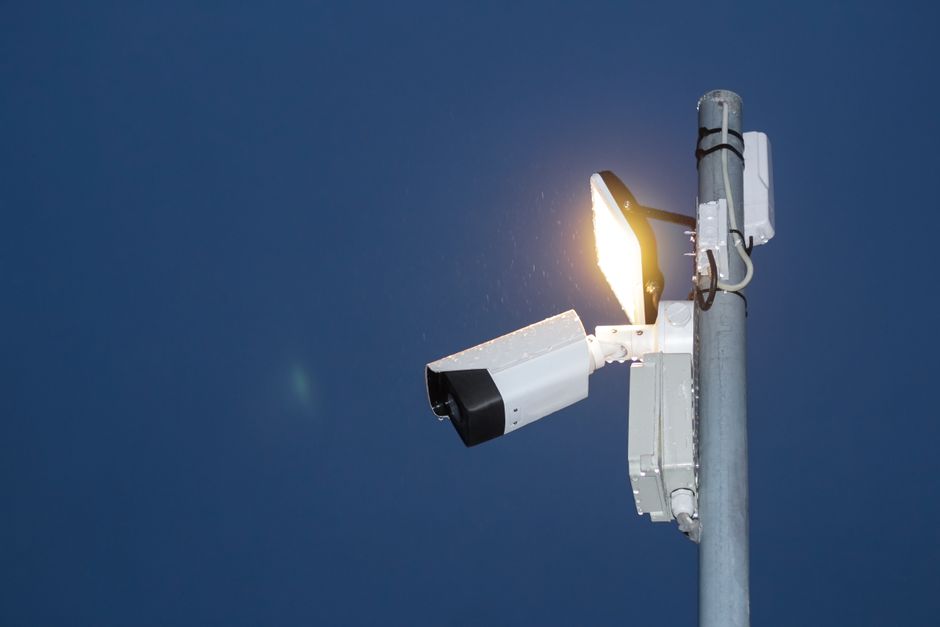
White-light illumination involves the use of visible light LEDs or spotlights to illuminate a scene, enabling the camera to capture full-color images at night. This approach is similar to adding a floodlight to the camera, and it can be effective in areas where continuous or motion-activated lighting is acceptable. White-light cameras may use integrated LEDs or external illuminators, and the light output is typically adjustable or triggered by motion detection.
The primary benefit of white-light illumination is the ability to produce clear, color images with natural appearance, which can enhance identification and situational awareness. However, the visible light may be intrusive, cause glare, or attract attention, making it less suitable for discreet surveillance. Additionally, continuous white-light illumination consumes more power and may be subject to local light pollution regulations.
White-light illumination can be configured in different modes: continuous, motion-activated, or scheduled. Motion-activated mode conserves energy and reduces light pollution by activating only when activity is detected, but it may startle individuals or fail to capture the initial moments of an event. Continuous mode provides constant illumination but may annoy neighbors and increase operating costs. The choice depends on the specific security requirements and the sensitivity of the location.
- Full-color images with natural appearance.
- Visible light may deter intruders but also draw attention.
- Motion-activated modes balance energy use and visibility.
- Local regulations and neighbor considerations may apply.
When considering white-light illumination, it is important to evaluate the trade-offs between image quality, power consumption, and social acceptability. In residential areas, motion-activated white light may be preferred to avoid constant glare, while commercial or industrial sites might opt for continuous illumination for maximum visibility. The effectiveness of white-light cameras also depends on the light distribution and the camera’s low-light sensitivity.
Factors Affecting Night Vision Performance
Night vision performance is influenced by a combination of camera specifications and environmental variables. Sensor sensitivity, lens aperture, and image processing algorithms determine how well a camera can capture and enhance low-light images. A larger sensor with larger pixels generally collects more light, improving low-light performance, while a wider aperture (lower f-number) allows more light to reach the sensor. Image processing features such as noise reduction, wide dynamic range, and digital slow shutter can further enhance image quality but may introduce motion blur or other artifacts.
Environmental factors include the amount and type of ambient light, the reflectivity of objects in the scene, and atmospheric conditions. Rain, fog, and dust can scatter both infrared and visible light, reducing effective range and contrast. The installation angle and height also affect the field of view and the amount of light reaching the camera. It is essential to conduct a site survey to assess these factors before selecting a camera.
Another consideration is the camera’s ability to switch between modes (e.g., day/night, infrared/color) and the associated transition time. Some cameras use a mechanical IR cut filter that moves out of the way in low light to allow infrared light to reach the sensor, while others rely on electronic switching. The reliability and speed of this transition can impact performance in changing lighting conditions.
Finally, the quality of the camera’s housing and lens coating can affect light transmission and durability. Anti-reflective coatings reduce glare and improve light transmission, while weather-sealed housings protect against moisture and dust. These factors contribute to consistent performance over time.
Choosing Cameras for Dark Areas
Selecting a night vision camera for a dark area requires matching the technology to the specific lighting conditions and surveillance goals. In areas with some ambient light, a starlight sensor may provide color images without additional illumination, but it is important to verify the actual lux rating and sensor specifications. In completely dark areas, infrared LEDs are often necessary, and the choice between 850 nm and 940 nm depends on the need for discretion versus range. White-light illumination can be considered where full-color images are required and visible lighting is acceptable.
It is advisable to review independent reviews and test data rather than relying solely on manufacturer claims. Consider the camera’s power source, as infrared LEDs and white-light illuminators can increase power consumption, potentially requiring a dedicated power supply or Power over Ethernet (PoE) setup. Network bandwidth and storage requirements may also increase with higher-resolution night vision modes.
Integration with existing security systems and compatibility with video management software are additional factors to evaluate. Some cameras offer advanced features such as smart motion detection, privacy masking, and two-way audio, which can enhance overall utility. However, these features should be evaluated in the context of the specific installation and user needs.
- Assess ambient light levels and scene reflectivity.
- Determine whether color or monochrome images are preferred.
- Evaluate discretion requirements and local regulations.
- Consider power, bandwidth, and storage infrastructure.
- Review independent performance data and specifications.
Brands such as Sentinel Watch may offer a range of night vision cameras utilizing these technologies, and consulting their technical documentation can provide further details. Ultimately, the selection process should be based on a thorough understanding of the environment and the performance characteristics of each technology, with the recognition that no single solution is universally optimal.