Wired vs Wireless Alarm Systems: Key Differences for US Homes
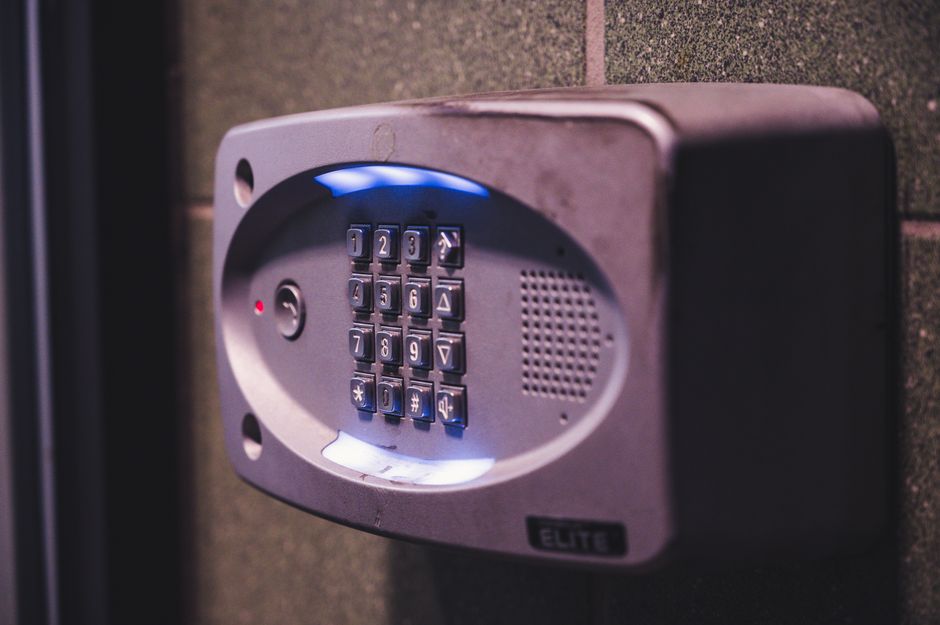
Choosing between a wired and a wireless alarm panel is one of the more consequential decisions a homeowner faces when planning a security upgrade. The two architectures differ not only in how sensors communicate with the control panel, but also in how much labor installation requires, how resilient the system is during power interruptions, and how monitoring fees may accumulate over time. Understanding these distinctions helps homeowners evaluate trade-offs rather than relying on generalized claims about which technology is “better.”
Wired systems transmit signals through physical cabling that connects sensors, keypads, and the control panel. Wireless systems rely on radio frequency, Wi-Fi, or cellular pathways to carry those same signals. Each approach carries a long history in the American market, and both remain viable depending on the structure of the home, local building practices, and the expectations of the household. A structured comparison of installation complexity, reliability, power backup, and monitoring costs provides a practical framework for weighing the options.
The following sections examine each dimension in turn. The goal is not to declare a single winner, but to describe how wired and wireless panels behave under different conditions so that homeowners, installers, and property managers can reach an informed conclusion that fits their specific circumstances.
Installation Complexity and Labor Considerations
Installation is often the first practical difference homeowners encounter. Wired alarm systems require physical cable runs between each sensor, the keypad, and the main control panel. In new construction or during major renovation, these runs can be planned into the framing and finished walls, which keeps labor manageable and produces a clean final appearance. In an existing home, however, retrofitting cable may involve fishing wires through wall cavities, attics, and basements, and may require patching drywall or working around insulation. The scope of that work varies considerably with the age and layout of the house.
Wireless alarm systems reduce the need for cable runs because sensors communicate over radio frequency or network connections. Installation typically centers on mounting sensors, pairing them with the panel, and confirming signal strength at each location. This can shorten the time required for a straightforward deployment and may be attractive for renters or for homeowners who prefer to avoid structural modifications. That said, wireless installation still demands attention to placement: sensor range, intervening walls, and sources of radio interference all influence how reliably devices communicate.
Several factors shape the practical labor picture for either approach:
- Home age and construction materials, including plaster, masonry, and metal studs, which can affect both cable routing and radio transmission.
- Number and distribution of sensors across floors, outbuildings, and entry points.
- Whether the work occurs during construction, renovation, or as a standalone retrofit.
- Local permitting and inspection requirements that may apply to low-voltage wiring.
- Access to attics, crawlspaces, and wall cavities for routing or mounting hardware.
Professional installation is common for both types, though wireless panels are often marketed toward do-it-yourself deployment. Homeowners considering self-installation should review manufacturer documentation and local codes carefully, since improper mounting or pairing can affect how the system performs. In either case, a site survey that maps entry points and identifies obstructions tends to reduce surprises during the actual install.
Reliability and Signal Integrity
Reliability in an alarm system refers to how consistently a sensor’s signal reaches the panel and how well the panel communicates with a monitoring center. Wired connections are generally less susceptible to radio interference because signals travel over dedicated conductors. In a properly installed system, physical wiring can deliver stable performance for many years, and faults are often traceable to specific cable runs or terminations. This determinism is one reason wired panels have long been favored in larger commercial and institutional settings.
Wireless reliability depends on several variables working together. Radio frequency sensors must be within range of the panel or a repeater, and signal strength can be affected by wall thickness, metallic surfaces, and competing devices in the same band. Modern wireless panels often incorporate supervision features that flag a sensor when it fails to check in, which helps identify issues before they become silent failures. Cellular and internet communication paths add another layer, and their performance depends on local network conditions and carrier coverage.
Neither architecture eliminates the need for maintenance. Wired systems can suffer from damaged conductors, corrosion at terminals, or rodent activity in attics and crawlspaces. Wireless systems depend on battery health in each sensor and on the integrity of the radio environment, which can shift as neighbors add devices or as home networking equipment changes. A realistic assessment acknowledges that both types require periodic testing, and that reliability is a function of installation quality and ongoing upkeep as much as of the underlying technology.
Signal integrity is rarely a property of the technology alone; it reflects how carefully the system was designed, installed, and maintained within a particular building.
Power Backup and Continuity During Outages
Power interruptions are a recurring concern in many parts of the United States, whether from severe weather, grid strain, or local outages. How an alarm panel behaves when mains power is lost depends on its backup design. Wired panels typically include a rechargeable backup battery within the control enclosure, and because sensors draw power over the same cabling, they continue operating as long as that battery holds a charge. The battery’s capacity and age determine the duration of coverage, and routine replacement is part of normal upkeep.
Wireless panels also rely on backup batteries, but the arrangement is distributed. The control panel has its own backup, while each sensor carries an individual battery. This design offers flexibility, since sensors can be placed where wiring is impractical, but it also means battery status must be monitored across many devices. Some panels report low-battery conditions to the homeowner or monitoring center, which supports timely replacement. The overall continuity of a wireless system during an outage depends on the panel’s backup capacity, the health of each sensor battery, and whether communication pathways such as cellular links remain available.
Homeowners evaluating backup performance may find it useful to ask several questions about any candidate system:
- How long is the panel rated to operate on backup power under typical load?
- Does the system notify users when backup batteries approach the end of their service life?
- Are sensor batteries standard sizes that are easy to source and replace?
- Does the communication path include a cellular or other alternative channel if broadband fails?
Answers to these questions tend to matter more than broad statements about wired or wireless superiority. A well-maintained wired system with a healthy battery and a well-maintained wireless system with fresh sensor batteries can both provide continuity, though the maintenance routines differ.
Monitoring Fees and Long-Term Cost Structure
Monthly monitoring fees are shaped by the service arrangement rather than by wiring alone. Most professionally monitored systems, whether wired or wireless, connect to a central station through a communication path, and the monthly charge reflects that service along with any equipment financing, app access, or added features. Because wireless panels often support cellular or internet communication modules directly, some providers bundle connectivity into the monitoring plan. Wired panels may use a traditional phone line, an internet module, or a cellular communicator, and the choice of path can influence the monthly rate.
Long-term cost comparisons should account for more than the subscription price. Equipment costs differ, installation labor differs, and maintenance expectations differ. Wireless sensors require periodic battery replacement, which is a modest but recurring expense across a large system. Wired systems may involve higher upfront labor in existing homes but can have lower ongoing device costs. Monitoring contracts vary widely in term length and cancellation terms, so reading the agreement carefully is part of any responsible comparison.
Homeowners sometimes ask whether one architecture is inherently cheaper to monitor. In practice, pricing depends on the provider, the communication technology selected, and the features included. A company such as Sentinel Watch may offer monitoring plans that accommodate both wired and wireless panels, with rates reflecting the communication path and service level rather than the wiring method alone. Prospective customers can request a written breakdown of equipment, installation, and recurring charges before committing.
Matching the System to the Household
The right choice between wired and wireless often emerges from the specifics of the home rather than from a general preference. A house under construction or undergoing extensive renovation may lend itself to wired infrastructure, since cable can be installed before walls are closed. A finished home with historic plaster, limited attic access, or a desire to avoid structural work may favor wireless sensors. Mixed environments are also common, with wired panels supporting perimeter sensors and wireless devices covering detached structures or hard-to-reach areas.
Households should also weigh how they intend to use the system over time. Plans to expand coverage, add outbuildings, or integrate smart-home features may favor architectures that are easy to extend. Expectations about maintenance routines, comfort with battery replacement, and willingness to schedule professional service all influence long-term satisfaction. Local climate and utility reliability may shape how much weight to place on backup performance, while state and municipal codes may constrain installation options in certain building types.
A practical approach is to document the home’s layout, entry points, and construction materials, then discuss those details with an installer who can assess both wired and wireless options on site. Reviewing monitoring agreements, backup specifications, and maintenance expectations in writing supports a decision grounded in the household’s actual conditions rather than marketing claims. Either architecture can serve well when it is matched to the building and maintained consistently.