Understanding Access Control Cards and Reader Technologies
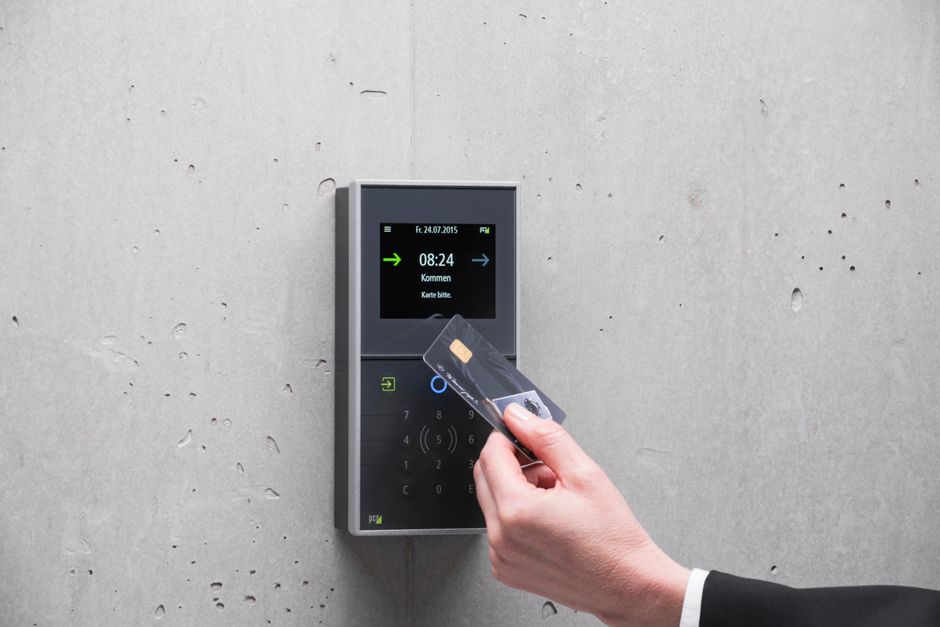
Access control systems in modern offices rely on a layered combination of credentials, readers, and management software to determine who may enter a given space and when. The credential — whether a plastic card, a fob, or a digital identity stored on a phone — serves as the token presented at a door, while the reader interprets that token and communicates with a controller to grant or deny passage. Understanding how these components interact helps facility managers, security teams, and building owners make informed decisions about which technology fits a particular environment.
This article examines three widely used approaches: proximity cards, magnetic stripe readers, and mobile credentials. Each has a distinct technical foundation, and each carries different implications for security, cost, and day-to-day administration. Rather than presenting a single path as universally appropriate, the discussion focuses on how these technologies function, where they tend to be deployed, and which operational factors typically warrant consideration when comparing them for office entry systems.
Because access control decisions affect both physical safety and organizational workflow, the choice of credential and reader technology is rarely a purely technical question. It intersects with budget planning, IT infrastructure, user training, and long-term maintenance practices. The sections that follow describe these dimensions in a neutral, process-oriented manner so that stakeholders can evaluate trade-offs in the context of their own facilities.
How Access Control Credentials and Readers Work Together
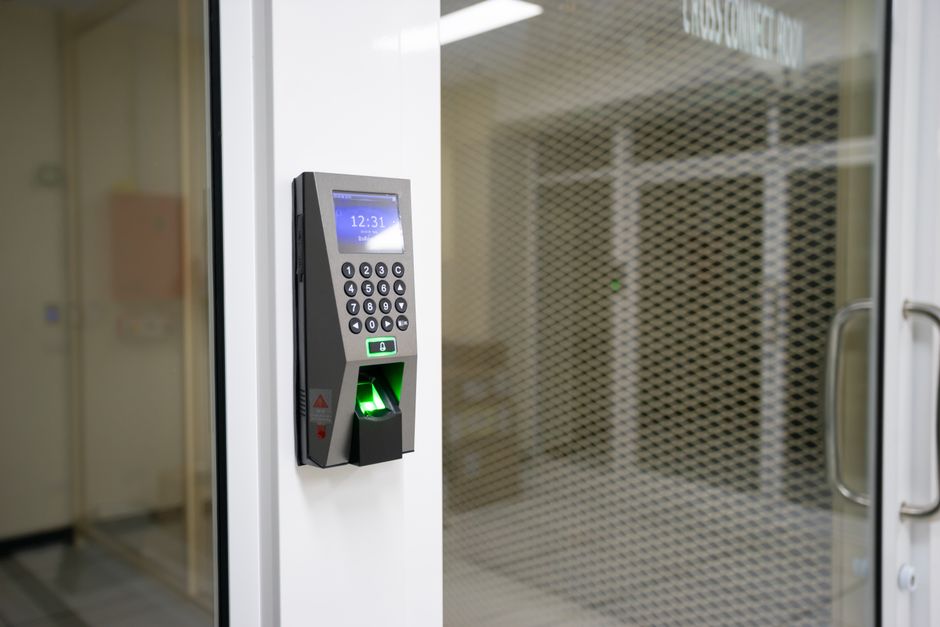
At its core, an access control system is a decision-making pipeline. A user presents a credential to a reader mounted near a door. The reader captures the credential’s data — through radio frequency, magnetic fields, optical scanning, or a secure digital handshake — and forwards it to a controller or an access control panel. The controller compares the presented identifier against a stored authorization list and, if the credential is recognized and the schedule permits entry, triggers an electric lock to release. The entire exchange typically occurs in under a second, but each step involves specific technologies and configuration choices.
Readers are generally designed around one or more credential formats. A proximity reader, for example, expects a low-frequency or high-frequency signal from a passive card or fob. A magnetic stripe reader expects physical contact and reads data encoded on a magnetic track. A mobile credential reader may use Bluetooth Low Energy, near-field communication, or a combination of wireless technologies to communicate with a smartphone or wearable. Because these formats differ, a single door may require multiple readers or a multi-technology reader if the organization intends to support more than one credential type during a transition period.
The controller and management software form the back end that ties the system together. Administrators use software to enroll users, assign access rights, set time-based rules, review audit logs, and deactivate credentials when someone leaves the organization. The quality of this management layer often affects operational efficiency as much as the reader hardware itself, because routine tasks such as issuing a new card or revoking a lost credential depend on a clear and well-maintained workflow.
Proximity Cards: Contactless Convenience and Established Practice
Proximity cards, often called prox cards, contain an embedded antenna and a small integrated circuit that communicates with a reader when the card is held within a few inches of the device. Because no physical contact is required, the cards experience less wear from repeated swiping, and users can present them through a wallet or badge holder. This contactless behavior has made proximity credentials a common sight in office buildings, particularly where high traffic volumes and quick throughput are priorities.
The security profile of proximity cards varies by frequency and protocol. Older low-frequency systems typically transmit a static identifier, which means the credential’s data does not change from one read to the next. Newer high-frequency systems may support mutual authentication and encrypted communication between card and reader, which can make the exchanged data more resistant to interception and cloning. Organizations evaluating proximity technology often examine whether the specific product line supports modern security features or relies on legacy protocols that may warrant additional safeguards.
From a cost perspective, proximity cards and fobs are generally inexpensive to produce, and the readers are widely available from multiple manufacturers. The management process is straightforward: a card is assigned to a user, encoded with an identifier, and linked to permissions in the software. Replacement costs are modest, which is helpful in environments where badges are frequently lost or damaged. However, organizations should account for the cumulative cost of issuing and reissuing cards over time, as well as the administrative effort required to maintain accurate records.
Operationally, proximity systems are well understood by installers and integrators, and spare parts are typically easy to source. This maturity can reduce installation complexity and support continuity. The trade-off is that the underlying technology is not new, and some legacy deployments may not align with current expectations for encryption or identity verification. A periodic review of the installed card population and reader firmware is a reasonable practice for maintaining awareness of the system’s security posture.
Magnetic Stripe Readers: Familiar but Contact-Dependent
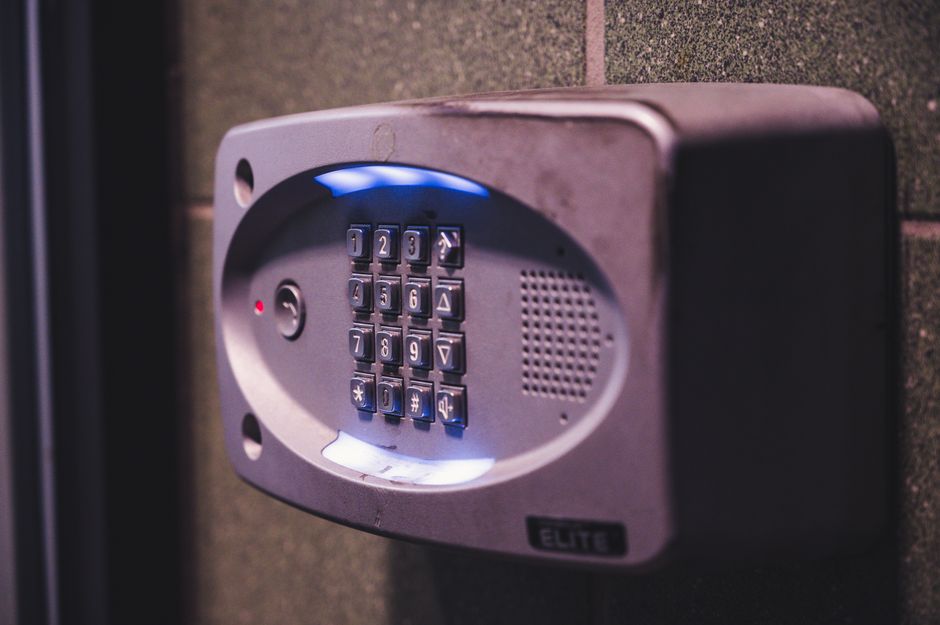
Magnetic stripe readers read data encoded on a strip of magnetic material affixed to a card. The user swipes or inserts the card, and the reader interprets the magnetic pattern to extract the credential identifier. This technology has a long history in banking and retail, and its familiarity can make it attractive in environments where users already carry magnetic stripe cards for other purposes, such as employee identification or cafeteria accounts.
The contact-dependent nature of magnetic stripe readers introduces specific maintenance considerations. The read head and the card’s magnetic strip can wear over time, particularly in high-traffic locations, and dirt or damage can lead to failed reads and user frustration. Because the card must be physically swiped, throughput is generally slower than with contactless technologies, and the mechanical action adds a point of wear that administrators should factor into their maintenance planning.
Security is another dimension that warrants careful attention. Magnetic stripe data can be copied with relatively simple tools, and because the stripe is static, a captured identifier may be replayed unless the system incorporates additional protections. Many organizations therefore treat magnetic stripe access as a legacy or supplementary method rather than a primary credential for sensitive areas. Where magnetic stripe readers remain in use, they are often paired with additional verification steps or deployed in lower-risk zones.
Cost and management considerations are mixed. Cards with magnetic stripes are inexpensive, and readers are widely available, but the total cost of ownership may be influenced by replacement frequency and the labor associated with resolving failed reads. Administrators should also consider whether the existing software supports the desired audit and reporting functions, since visibility into usage patterns is an important part of managing any access control deployment.
Mobile Credentials: Digital Identity on Personal Devices
Mobile credentials store access rights in a digital format on a smartphone or wearable. The device communicates with a reader using wireless protocols, and the credential may be protected by the device’s own security features, such as biometric authentication or a secure element. This approach can reduce the need to issue physical cards and may streamline the onboarding process when a new employee receives a digital credential shortly after enrollment.
The security characteristics of mobile credentials depend heavily on implementation. Some systems use encrypted communication and rotating identifiers, which can support stronger resistance to replay and cloning than static card technologies. Others rely on simpler protocols that may offer fewer protections. Organizations exploring mobile credentials often review the specific authentication method, the provisioning process, and the policies governing lost or replaced devices, because the credential’s lifecycle is tied to the device rather than a physical card.
Management of mobile credentials involves coordination between security and IT teams. Device compatibility, operating system updates, and user support requests can add new categories of administrative work. At the same time, the ability to revoke a credential remotely and to issue temporary access without distributing hardware can be valuable in dynamic office environments. The cost structure also differs: while physical card production costs may decline, organizations may encounter software licensing, reader upgrade, or integration expenses.
Adoption is rarely instantaneous. Many offices operate hybrid environments in which mobile credentials coexist with cards for visitors, contractors, or employees who prefer a physical badge. Planning for this coexistence — including reader selection and clear communication about which credential types are accepted at which doors — is a practical part of the transition process.
Comparing Security, Cost, and Management Considerations
When comparing these technologies, it helps to separate the dimensions rather than treating the decision as a single ranking. On security, the relevant questions include whether the credential data is static or dynamic, whether communication between card and reader is encrypted, and whether the system supports additional verification for sensitive areas. Proximity cards span a wide range of security capabilities depending on protocol, magnetic stripe is generally regarded as contact-dependent and replay-prone, and mobile credentials can offer strong protections when implemented with modern encryption and device-level authentication.
On cost, the analysis extends beyond the unit price of cards and readers. Organizations typically consider installation labor, software licensing, replacement rates, maintenance, and the administrative hours required to manage enrollment and revocation. Proximity systems often have low per-card costs and mature support ecosystems. Magnetic stripe systems may be inexpensive to acquire but can carry ongoing maintenance burdens. Mobile credentials may reduce card production but introduce device support and licensing considerations.
On management, the key factors are workflow clarity and auditability. A well-configured system should make it easy to grant access, review activity, and remove permissions promptly. The choice of credential affects these tasks: physical cards require handling and inventory, magnetic stripe cards require careful tracking of wear and loss, and mobile credentials require coordination with device management policies. Many organizations find that a documented process — covering enrollment, replacement, deactivation, and periodic review — matters as much as the underlying hardware.
Technology selection is most effective when it follows a clear assessment of facility risk, user population, and operational capacity rather than a single vendor preference.
Sentinel Watch recommends that stakeholders document their requirements before evaluating products, since a structured comparison helps ensure that security, cost, and management factors are weighed consistently. Pilot deployments at a limited number of doors can also provide useful operational data before a broader rollout.
Planning a Phased Approach to Credential Upgrades
Many offices do not replace their access control systems in a single step. A phased approach allows an organization to test reader technologies, observe user behavior, and refine policies before committing to a larger investment. A typical sequence begins with an inventory of existing doors, readers, and credentials, followed by a risk assessment that identifies which areas require stronger authentication and which can remain on legacy technology for the near term.
During a transition, multi-technology readers can support mixed credential populations, allowing employees to continue using existing cards while new mobile or higher-security credentials are introduced. Clear communication about timelines, enrollment steps, and support channels helps reduce confusion. Administrators should also plan for the data migration tasks associated with moving user records and permissions between systems, since incomplete migration can create gaps in access rights.
Ongoing evaluation is part of responsible management. Regular reviews of audit logs, credential inventories, and reader maintenance records can reveal patterns that inform future decisions. Because access control outcomes depend on many external factors — including installation quality, user compliance, and the evolving threat landscape — organizations should treat the system as a living process rather than a one-time purchase. This perspective supports steady improvement without overstating what any single technology can deliver.