How to Choose the Right CCTV Camera Resolution for Your Property
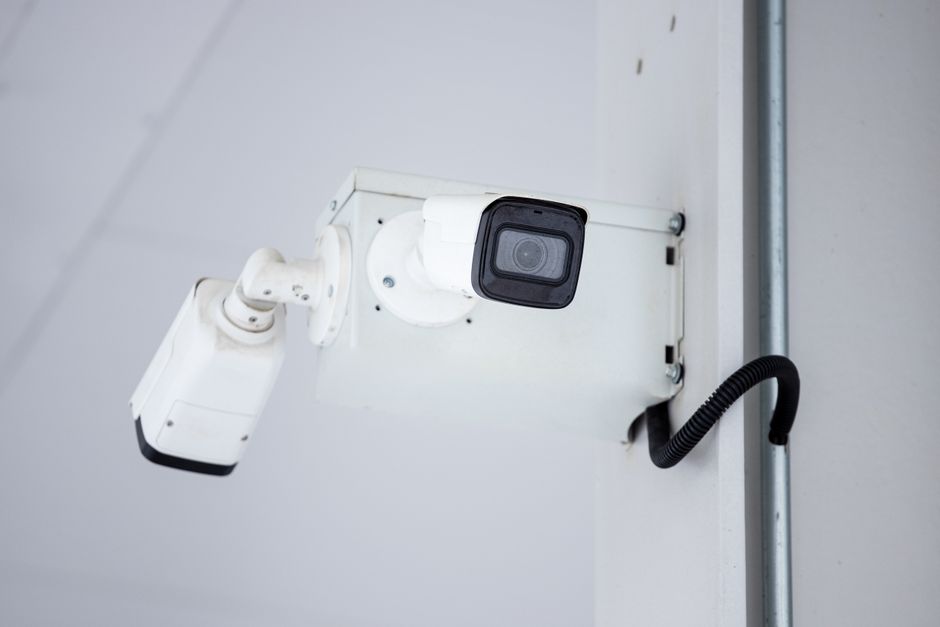
Selecting the appropriate resolution for a CCTV camera system involves balancing several interrelated factors, including the level of detail required for a given application, the available storage and bandwidth resources, and the lighting conditions present at the installation site. Resolution, typically expressed in terms of horizontal pixels (e.g., 1080p, 4MP, 4K), directly influences the clarity of recorded footage and the ability to identify objects or individuals. However, higher resolution is not universally beneficial; it introduces trade-offs in file size, processing demands, and low-light performance.
This article examines the characteristics of three common resolution tiers—1080p, 4MP, and 4K—and provides a framework for evaluating them against the specific needs of residential and commercial properties in the United States. The discussion focuses on application suitability, storage cost implications, and the impact of lighting conditions, offering a neutral, process-oriented approach to decision-making. By understanding these variables, property owners and security professionals can make informed choices that align with their monitoring objectives and operational constraints.